Moulds for columns: why are they needed?

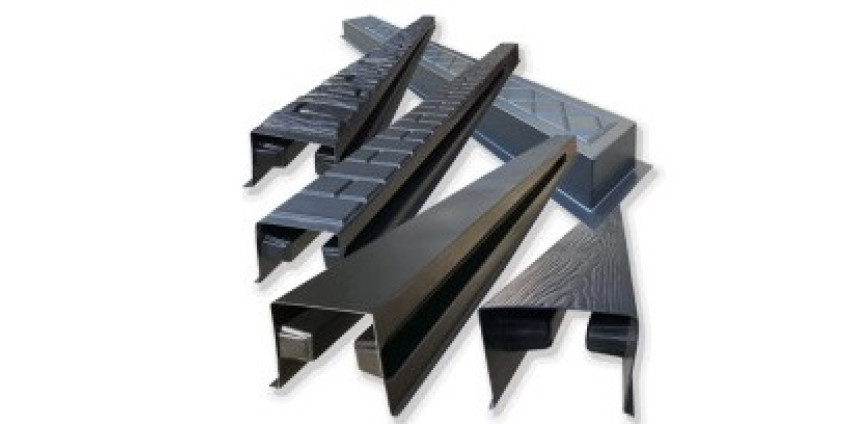
When manufacturing concrete posts for fences or structures, dimensional accuracy and stability are important. Moulds for manufacturing posts help to create identical elements without defects or flaws. The use of high-quality moulds simplifies the process of working on an automated line and reduces production time.

The main advantages of using moulds for columns:

  • uniform thickness of concrete column walls;

  • high strength of finished products;

  • possibility of repeated use of moulds;

  • ease of cleaning and storage.

FormaBS offers moulds for columns that are suitable for use on automated lines. Their designs are developed to withstand intensive production and maintain their geometry when reused.

Formwork for concrete columns: choosing the material and design

When choosing formwork for concrete columns, it is important to consider the material from which it is made. Plastic and polymer formwork is lightweight and resistant to moisture and temperature changes. Metal formwork is durable but requires greater care during transport and installation.

It is also worth paying attention to the design of the mould:

  • the presence of removable parts for easy removal of the finished product;

  • reinforced ribs to prevent deformation;

  • compatibility with concrete vibrators.

By using FormaBS concrete column moulds, manufacturers achieve consistent results and can speed up their automated production lines.

Concrete column mould: practical recommendations

For effective operation, it is important to prepare the mould correctly before pouring concrete. It must be dry and clean so that the concrete does not stick to the surface. It is recommended to use non-stick compounds that facilitate the removal of the finished product.

Useful tips for working with the formwork:

  1. Check the integrity of the formwork before each pour.

  2. Assemble the formwork strictly according to the manufacturer's instructions.

  3. Compact the concrete with a vibrator to eliminate voids.

  4. Remove the formwork after the concrete has set initially to avoid damage.

  5. Plan the pouring so that the concrete sets evenly, especially on an automated line.

By following these recommendations and using FormaBS moulds, you can obtain posts with a smooth surface and precise geometric parameters in every batch.

Moulds for concrete columns: areas of application and advantages

Moulds for the production of concrete columns are used in various areas:

  • for fencing private and industrial facilities;

  • in the construction of power lines and support structures;

  • in landscaping and decorative projects;

  • for automated production of columns in factories.

The use of high-quality moulds from FormaBS ensures dimensional stability, product durability and resource savings. Automated lines equipped with such moulds allow for the production of large quantities of poles without compromising quality.
Moulds for columns: why are they needed?

Moulds for columns: why are they needed?

Published: 15/01/2026 Times Read: 420 Comments: 0

When manufacturing concrete posts for fences or structures, dimensional accuracy and stability are important. Moulds for manufacturing posts help to create identical elements without defects or flaws. The use of high-quality moulds simplifies the process of working on an automated line and reduces production time.

The main advantages of using moulds for columns:

  • uniform thickness of concrete column walls;

  • high strength of finished products;

  • possibility of repeated use of moulds;

  • ease of cleaning and storage.

FormaBS offers moulds for columns that are suitable for use on automated lines. Their designs are developed to withstand intensive production and maintain their geometry when reused.

Formwork for concrete columns: choosing the material and design

When choosing formwork for concrete columns, it is important to consider the material from which it is made. Plastic and polymer formwork is lightweight and resistant to moisture and temperature changes. Metal formwork is durable but requires greater care during transport and installation.

It is also worth paying attention to the design of the mould:

  • the presence of removable parts for easy removal of the finished product;

  • reinforced ribs to prevent deformation;

  • compatibility with concrete vibrators.

By using FormaBS concrete column moulds, manufacturers achieve consistent results and can speed up their automated production lines.

Concrete column mould: practical recommendations

For effective operation, it is important to prepare the mould correctly before pouring concrete. It must be dry and clean so that the concrete does not stick to the surface. It is recommended to use non-stick compounds that facilitate the removal of the finished product.

Useful tips for working with the formwork:

  1. Check the integrity of the formwork before each pour.

  2. Assemble the formwork strictly according to the manufacturer's instructions.

  3. Compact the concrete with a vibrator to eliminate voids.

  4. Remove the formwork after the concrete has set initially to avoid damage.

  5. Plan the pouring so that the concrete sets evenly, especially on an automated line.

By following these recommendations and using FormaBS moulds, you can obtain posts with a smooth surface and precise geometric parameters in every batch.

Moulds for concrete columns: areas of application and advantages

Moulds for the production of concrete columns are used in various areas:

  • for fencing private and industrial facilities;

  • in the construction of power lines and support structures;

  • in landscaping and decorative projects;

  • for automated production of columns in factories.

The use of high-quality moulds from FormaBS ensures dimensional stability, product durability and resource savings. Automated lines equipped with such moulds allow for the production of large quantities of poles without compromising quality.

Comments

Write Comment